Essential guide · Prevention
Help wildlife at home: preventing casualties before they happen
The first 60 seconds
- Leave it if
- Leaf piles, log piles and long grass in a corner — they are homes.
- Help now if
- Loose garden netting — swap for rigid mesh or keep it taut.
Do this
- Open up your fence
- Make ponds escapable
- Check before you cut
Never: do not use slug pellets — they poison hedgehogs, birds and pets.
Most wildlife casualties start in gardens — netting, strimmers, ponds, windows and cats. A few small changes prevent a lot of suffering, and cost almost nothing.
Hundreds of UK rescues in the directory

- Hedgehog gap
- 13 × 13cm
- Best time to start
- Today
- Pond ramp
- Essential
- Cost
- Under £20
Jump to a section
The one thing to remember
The best rescue is the one that never needs to happen.
Step one
Does it need help?
Look before you touch. Intervening when an animal is fine is one of the most common mistakes — and it can cost the animal its life.
Leave it be if…
- Leaf piles, log piles and long grass in a corner — they are homes.
- Ivy and dense hedges during nesting season.
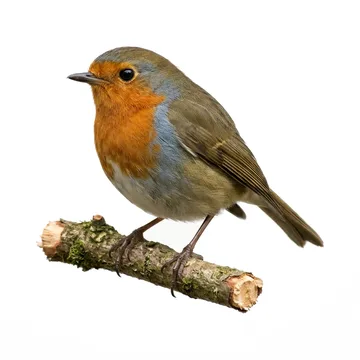
- Seed heads on plants over winter — food for birds.
Step in if…
- Loose garden netting — swap for rigid mesh or keep it taut.
- Steep-sided ponds — add a ramp or stones.
- Large reflective windows — add stickers or patterns.
- Slug pellets and rodent poisons — remove them.
Step two
First aid, step by step
What to do in the first ten minutes, in order. If anything here feels unsafe, stop, step back and phone a rescue for advice instead.
- 01
Open up your fence
A 13cm × 13cm gap at the base lets hedgehogs roam between gardens.
- 02
Make ponds escapable
Shallow sloping edges, or a ramp or pile of stones. Hedgehogs can swim but cannot climb out of steep sides.
- 03
Check before you cut
Before strimming, mowing or lighting a bonfire, check for hedgehogs, toads and nesting birds.
- 04
Bell the cat
A bright collar and keeping cats in at dawn, dusk and night protect birds, bats and small mammals.
- 05
Feed and water thoughtfully
Clean feeders weekly, offer water in dry spells, and leave meaty cat food for hedgehogs in autumn.
Important
What never to do
- Do not use slug pellets — they poison hedgehogs, birds and pets.
- Do not leave sports nets up overnight.
- Do not cut hedges between March and August.
Food and water
Should I give it food or water?
Good: sunflower hearts, suet, meaty cat food for hedgehogs, fresh water. Bad: bread, milk, salted nuts, mealworms for hedgehogs.
Seasonal guide
Through the year
When rescues see the most casualties — and what is driving it.
Busiest in March, April, May, October and November.
- January: Busy
- February: Busy
- March: Peak
- April: Peak
- May: Peak
- June: Busy
- July: Busy
- August: Busy
- September: Busy
- October: Peak
- November: Peak
- December: Busy
- SpringPut up nest boxes early. Check grass before first mow.
- SummerWater, water, water — especially in heatwaves.
- AutumnLeave leaves. Check bonfires. Feed hedgehogs.
Background
Good to know
Gardens are huge
UK gardens cover more land than all national nature reserves put together.
Ponds change everything
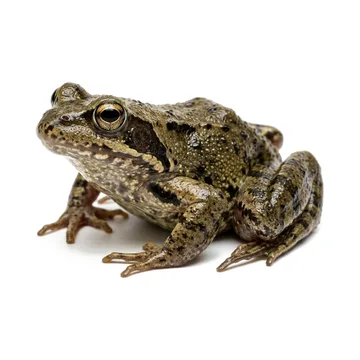
Even a washing-up bowl sunk into the ground attracts frogs, insects and birds.
Neighbours count
One wildlife garden helps. A street of them creates a corridor.
Prevention
Help them where you live
- Plant native flowers, shrubs and trees.
- Put up bird and bat boxes in quiet spots.
- Build a log pile and leave some leaf litter.
- Save your local rescue’s number before you ever need it.
The law. In England and Wales it is an offence to intentionally damage an active bird nest, so hedge and tree work should wait until after the nesting season wherever possible.
FAQ
Questions people ask
Is it ok to feed birds all year?
What is the single best thing I can do?
Ready to call?
Find a rescue near you
Ranked by who has confirmed space, then distance. Free, no sign-up.
General first-aid guidance compiled from UK rescue organisations, not veterinary advice. Where this and a vet disagree, the vet is right.