Cold-blooded · Snakes, lizards, frogs & toads
Snakes, slow worms, frogs and toads: rescue guide
The first 60 seconds
- Leave it if
- A snake or lizard basking undisturbed. It is warming up and will move on.
- Help now if
- Tangled in garden netting — the commonest injury for grass snakes and slow worms by far.
Do this
- Identify it first
- Snakes and slow worms
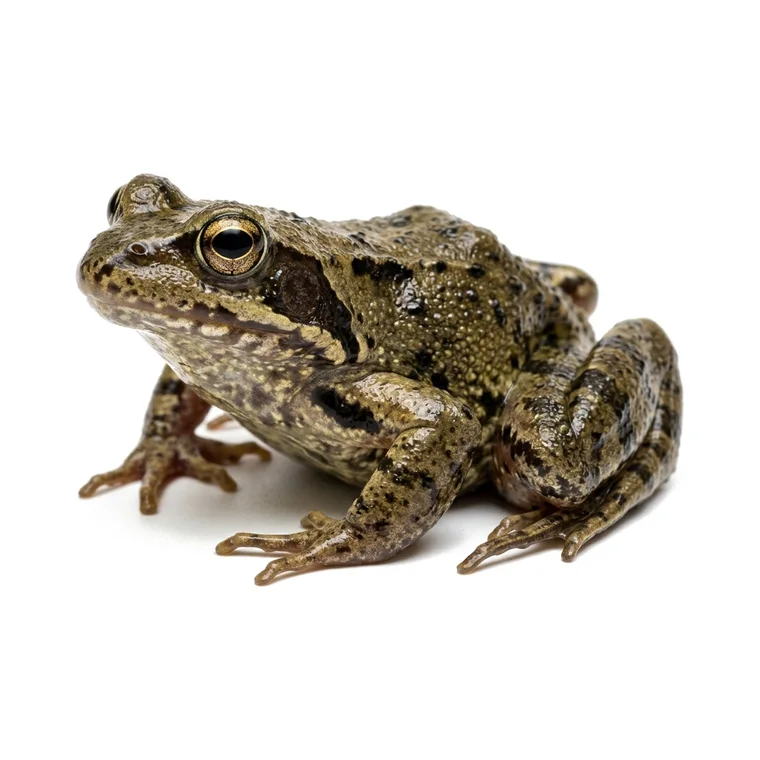
- Frogs, toads and newts
Never: do not handle an adder. If one is caught in netting, ring for expert help rather than cutting it free yourself. An adder bite is a 999 matter — keep still and calm.
The UK has just six native reptiles and seven amphibians. Garden netting, mowers and drains are their biggest hazards — and only one of them, the adder, needs to be treated with real caution.
Rescues across the UK take reptiles & amphibians
- Handle?
- Most, carefully. Adders: never
- Busiest months
- Mar – Sep
- Top hazard
- Garden netting
- Adder bite?
- Ring 999
Jump to a section
The one thing to remember
One venomous snake in the UK, and it has a zig-zag down its back. Do not handle it.
Step one
Does it need help?
Look before you touch. Intervening when an animal is fine is one of the most common mistakes — and it can cost the animal its life.
Leave it be if…
- A snake or lizard basking undisturbed. It is warming up and will move on.
- Frogs, toads and newts in the garden, pond or compost heap. They are where they should be.
- Frogspawn in a pond, even if it is a lot.
Step in if…
- Tangled in garden netting — the commonest injury for grass snakes and slow worms by far.
- Cut by a strimmer or mower.
- Trapped in a drain, pit, light well or steep-sided hole.
- Toads crossing a busy road during spring migration.
Step two
First aid, step by step
What to do in the first ten minutes, in order. If anything here feels unsafe, stop, step back and phone a rescue for advice instead.
- 01
Identify it first
Adders have a dark zig-zag along the back. Grass snakes are greenish with a yellow-and-black collar. Slow worms are shiny, legless lizards — and harmless.
- 02
Snakes and slow worms
Gently lift into a secure plastic tub with air holes and a lid. Slow worms can shed their tail if grabbed — lift from underneath.
- 03
Frogs, toads and newts
Keep them damp. A ventilated tub with wet moss, damp leaves or soaked kitchen roll. Dry cardboard dehydrates them through their skin.
- 04
Netting
Cut the netting around the animal and bring it in with the netting still on — then ring a rescue. Unwinding it yourself causes more injury.
- 05
Keep it cool
A cool, quiet place out of the sun. Cold-blooded animals overheat quickly in a box.
Important
What never to do
- Do not handle an adder. If one is caught in netting, ring for expert help rather than cutting it free yourself. An adder bite is a 999 matter — keep still and calm.
- Do not wash your hands with sanitiser or soap just before touching an amphibian — it absorbs chemicals through its skin. Wet, clean hands are better.
- Do not move frogspawn or newts between ponds; it spreads disease.
Food and water
Should I give it food or water?
None. Reptiles and amphibians can go a long time without food, and a rescue will advise.
Seasonal guide
Through the year
When rescues see the most reptiles & amphibians — and what is driving it.
Busiest in March and April.
- January: Quiet
- February: Some
- March: Peak
- April: Peak
- May: Busy
- June: Busy
- July: Busy
- August: Busy
- September: Busy
- October: Some
- November: Quiet
- December: Quiet
- Feb – AprToad migration to breeding ponds; thousands killed on roads.
- Spring – summerNetting and strimmer injuries.
- Oct – FebHibernating — found when compost heaps are turned.
Background
Reptile facts
Six native reptiles
Adder, grass snake, smooth snake, common lizard, sand lizard and slow worm.
Toads return home
Toads walk back to the pond where they were born to breed, often crossing the same roads each year.
Great crested newts
Strictly protected — handling one without a licence is an offence, except to rescue it from immediate danger.
Prevention
Help them where you live
- Swap pea and fruit netting for rigid mesh, or keep netting taut and off the ground.
- Build a wildlife pond with shallow sloping edges — no fish.
- Turn compost heaps carefully, especially in winter.
- Volunteer with a Toads on Roads patrol in spring.
The law. All native reptiles and amphibians have some legal protection. Great crested newts, natterjack toads, smooth snakes and sand lizards are strictly protected.
FAQ
Questions people ask
I’ve found a snake I don’t recognise — could it be an escaped pet?
My dog was bitten by an adder.
Ready to call?
Find a reptile or amphibian rescue near you
Ranked by who has confirmed space, then distance. Free, no sign-up.
General first-aid guidance compiled from UK rescue organisations, not veterinary advice. Where this and a vet disagree, the vet is right.