Mammal · Protected species
Found a bat? What to do, step by step
The first 60 seconds
- Leave it if
- A bat flying around at dusk — even indoors briefly — is a bat doing its job. Open windows wide, turn lights off, and it will usually find its own way out.
- Help now if
- A bat on the ground, or on a wall or curtain in daylight.
Do this
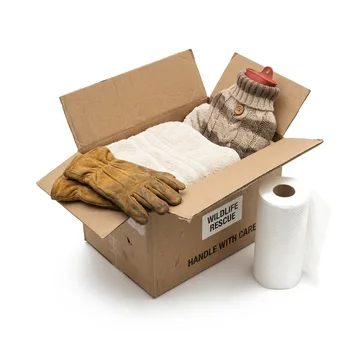
- Gloves on, or use a box
- Make it bat-friendly
- Offer a drink
Never: bare hands, ever. A small number of UK bats carry European Bat Lyssavirus, a rabies virus. If a bat bites or scratches you, wash the wound with soap for 15 minutes and ring your GP or 111 the same day — treatment afterwards is completely effective.
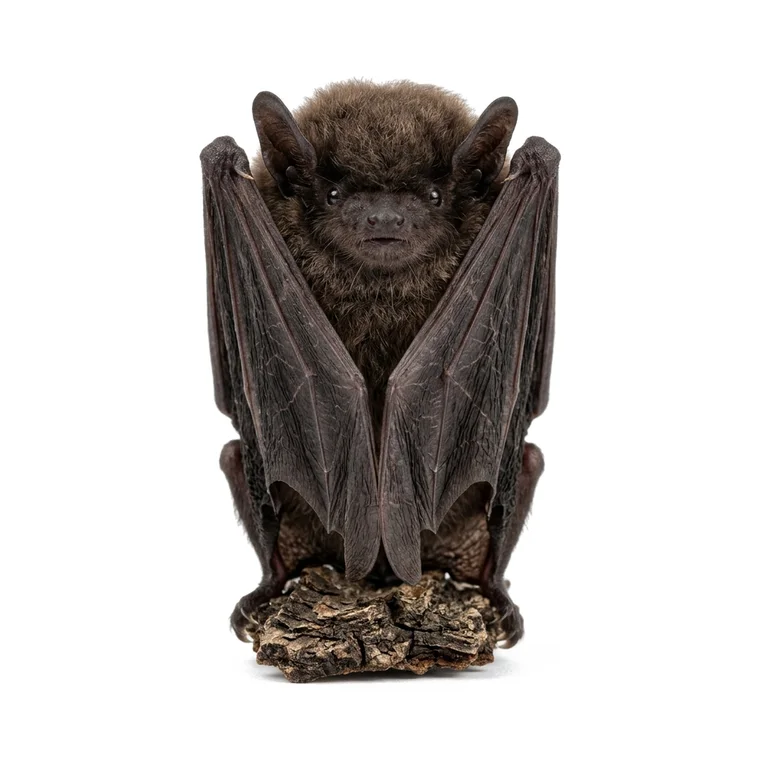
A bat on the ground or out in daylight is a bat in trouble. All 18 species in the UK are protected — and there is a dedicated national helpline with volunteers ready to help.
Rescues across the UK take bats
- Handle?
- Never bare-handed
- Busiest months
- Jun – Sep
- UK species
- 18
- Ring first
- 0345 1300 228
Jump to a section
The one thing to remember
Never touch a bat with bare hands — and ring the Bat Helpline before anyone else.
Step one
Does it need help?
Look before you touch. Intervening when an animal is fine is one of the most common mistakes — and it can cost the animal its life.
Leave it be if…
- A bat flying around at dusk — even indoors briefly — is a bat doing its job. Open windows wide, turn lights off, and it will usually find its own way out.
Step in if…
- A bat on the ground, or on a wall or curtain in daylight.
- Caught by a cat — always, even with no visible injury.
- Roosting low down inside a room where it will be disturbed.
- A baby bat (pup), especially in June to August.
Step two
First aid, step by step
What to do in the first ten minutes, in order. If anything here feels unsafe, stop, step back and phone a rescue for advice instead.
- 01
Gloves on, or use a box
Put a shoe box or tub over the bat, slide thin card underneath, and turn it over. Or lift it wearing thick gardening gloves.
- 02
Make it bat-friendly
Tiny air holes in the box, and a crumpled tea towel or kitchen paper in a corner for it to cling to and hide in.
- 03
Offer a drink
A plastic milk-bottle cap with a few drops of water. Bats are often dehydrated, and this is the one case where water is right.
- 04
Keep it secure and cool
Bats can squeeze through a gap the width of your little finger. Tape the lid and keep it somewhere quiet, out of the sun.
- 05
Ring the Bat Helpline
They will usually find a local bat carer faster than a general rescue can.
Important
What never to do
- Bare hands, ever. A small number of UK bats carry European Bat Lyssavirus, a rabies virus. If a bat bites or scratches you, wash the wound with soap for 15 minutes and ring your GP or 111 the same day — treatment afterwards is completely effective.
- Do not release a bat in daylight, or a grounded bat without advice. Bats that cannot take off from the ground usually need care.
- Do not try to feed it.
Food and water
Should I give it food or water?
Only a few drops of water in a bottle cap. Nothing else — bats eat thousands of insects a night and need specialist feeding.
Seasonal guide
Through the year
When rescues see the most bats — and what is driving it.
Busiest in June, July and August.
- January: Some
- February: Some
- March: Some
- April: Some
- May: Busy
- June: Peak
- July: Peak
- August: Peak
- September: Busy
- October: Some
- November: Some
- December: Some
- Jun – AugPups and inexperienced juveniles grounded.
- Sep – OctSwarming; bats wandering into houses.
- WinterDisturbed hibernators found in sheds and lofts.
Background
Bat facts
3,000 insects a night
A tiny pipistrelle — weighing about the same as a 20p coin — can eat thousands of midges in one night.
Not blind
Bats can see, but navigate and hunt mostly by echolocation.
One pup a year
Most UK bats have a single baby each summer, which is why every rescued bat matters to the population.
Prevention
Help them where you live
- Plant night-scented flowers like honeysuckle and evening primrose to attract insects.
- Keep cats indoors at dusk in summer.
- Put up a bat box high on a sunny wall or tree.
- Reduce outdoor lighting, which drives bats away from feeding areas.
The law. All UK bats and their roosts are protected by law (Wildlife and Countryside Act 1981 and the Conservation of Habitats and Species Regulations 2017). It is legal to contain a grounded or injured bat to get it help.
FAQ
Questions people ask
There is a bat in my bedroom.
The bat touched me but didn’t bite. Do I need to worry?
Ready to call?
Find a bat rescue near you
Ranked by who has confirmed space, then distance. Free, no sign-up.
General first-aid guidance compiled from UK rescue organisations, not veterinary advice. Where this and a vet disagree, the vet is right.