
Mammal · Protected species
Badgers: road casualties, cubs and what the law says
The first 60 seconds
- Leave it if
- A badger that is up and moving away from you does not need catching.
- Help now if
- Injured at the roadside or unable to move.
Do this
- Keep everyone back
- Cover it if it is not moving
- Ring for help
Never: do not handle an active adult badger, whatever you are wearing. Their jaws, claws and loose thick skin mean ordinary restraint does not work.
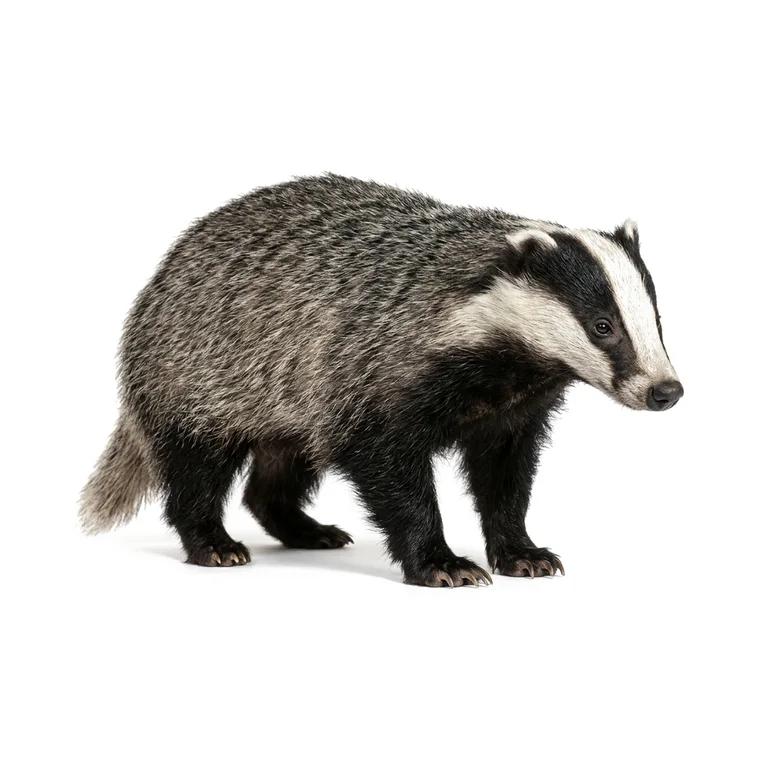
Badgers are Britain’s largest land carnivore — strong, shy, and fully protected by law. An injured badger needs professionals, but what you do in the first ten minutes still matters.
Rescues across the UK take badgers
- Handle?
- Never
- Busiest months
- Feb – May
- Common cause
- Road collisions
- Report crime
- Police on 101
Jump to a section
The one thing to remember
A badger can crush bone through a glove. Contain the scene, not the badger.
Step one
Does it need help?
Look before you touch. Intervening when an animal is fine is one of the most common mistakes — and it can cost the animal its life.
Leave it be if…
- A badger that is up and moving away from you does not need catching.
- A sett in your garden. You cannot move or block it — but you can get advice from a local Badger Group.
Step in if…
- Injured at the roadside or unable to move.
- Caught in a snare, fencing or netting.
- A cub alone and out in daylight, especially if crying.
Step two
First aid, step by step
What to do in the first ten minutes, in order. If anything here feels unsafe, stop, step back and phone a rescue for advice instead.
- 01
Keep everyone back
Keep dogs and onlookers well away. If it is on a road, ring the police on 101 (999 if traffic is in danger).
- 02
Cover it if it is not moving
If it is unconscious or unable to move, lay a dark blanket gently over it to cut down stress.
- 03
Ring for help
A local Badger Group, the RSPCA, SSPCA or a wildlife rescue. They have purpose-built cages and graspers.
- 04
Stay nearby
Watch from a distance so you can tell the rescuers where it went if it moves.
Important
What never to do
- Do not handle an active adult badger, whatever you are wearing. Their jaws, claws and loose thick skin mean ordinary restraint does not work.
- Do not try to free one from a snare yourself.
- A dead badger at the roadside can still be worth reporting — some local groups record them.
Food and water
Should I give it food or water?
Not while injured. In gardens, badgers love peanuts and fruit, but supplementary feeding should be occasional — mainly in dry summers when worms are hard to reach.
Seasonal guide
Through the year
When rescues see the most badgers — and what is driving it.
Busiest in February, March, April and May.
- January: Busy
- February: Peak
- March: Peak
- April: Peak
- May: Peak
- June: Busy
- July: Busy
- August: Busy
- September: Some
- October: Some
- November: Some
- December: Some
- Jan – MarCubs born underground.
- SpringRoad deaths peak as badgers range widely.
- Dry summersCubs struggle when ground is too hard to dig for worms.
Background
Badger facts
Up to 200 worms a night
Earthworms are their main food. Badgers also eat insects, fruit, bulbs and occasionally hedgehogs.
Generations-old homes
Some setts have been used for centuries and have dozens of entrances.
Fully protected
Badgers have their own Act of Parliament.
Prevention
Help them where you live
- Remove netting and fencing hazards, and leave gaps under fences.
- Put out water in long, dry spells.
- Report badger persecution (setts being dug or blocked, dogs used) to the police.
The law. Badgers and their setts are protected by the Protection of Badgers Act 1992. It is an offence to kill, injure or take a badger, or to interfere with a sett. Getting an injured badger to care is legal.
FAQ
Questions people ask
A badger is digging up my lawn.
I think someone is harming badgers.
Ready to call?
Find a badger rescue near you
Ranked by who has confirmed space, then distance. Free, no sign-up.
General first-aid guidance compiled from UK rescue organisations, not veterinary advice. Where this and a vet disagree, the vet is right.