Essential guide · Baby animals
Is it really orphaned? A guide to baby wild animals
The first 60 seconds
- Leave it if
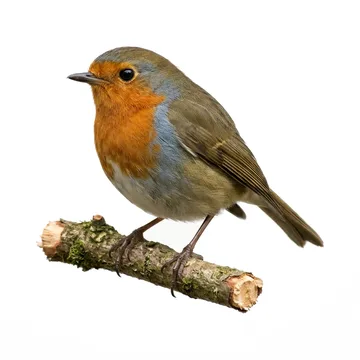
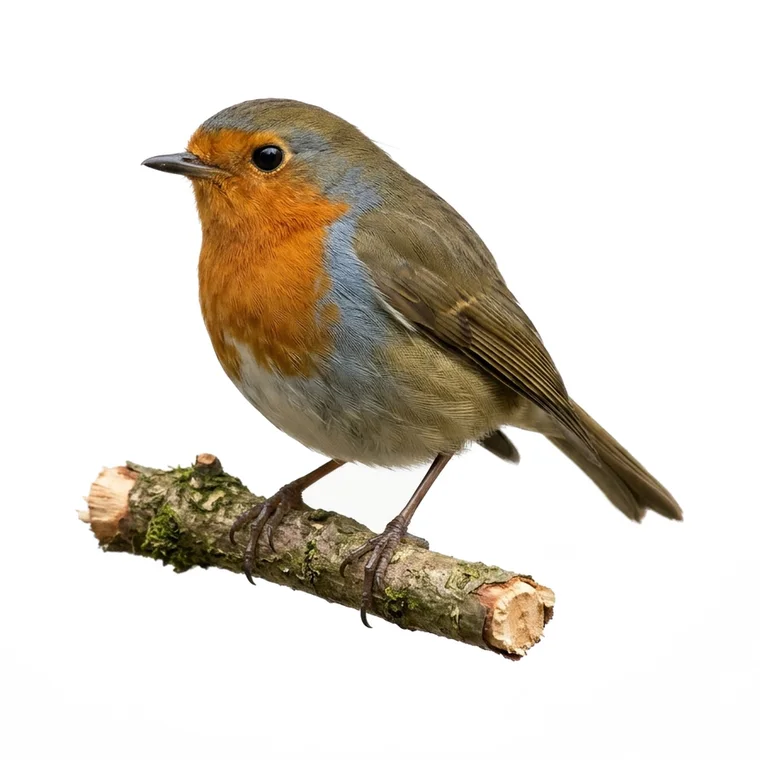
- Fledgling birds: feathered, hopping, calling. Parents are close.
- Help now if
- Injured, bleeding, or caught by a cat or dog.
Do this
- Stop and look
- Give the parents time
- Move it only a little
Never: do not try to feed a baby animal. Milk, bread and water kill more babies than abandonment does.
Every spring, thousands of perfectly healthy baby animals are “rescued” from parents who were just out of sight. This guide covers the normal behaviour that looks like abandonment — species by species.
Hundreds of UK rescues in the directory
- Watch for
- 1–2 hours first
- Peak season
- Apr – Jul
- Exception
- Cat caught = help now
- Parents reject touch?
- Mostly myth
Jump to a section
The one thing to remember
Most baby animals found alone are not orphans. Watch from a distance before you touch anything.
Step one
Does it need help?
Look before you touch. Intervening when an animal is fine is one of the most common mistakes — and it can cost the animal its life.
Leave it be if…
- Fledgling birds: feathered, hopping, calling. Parents are close.
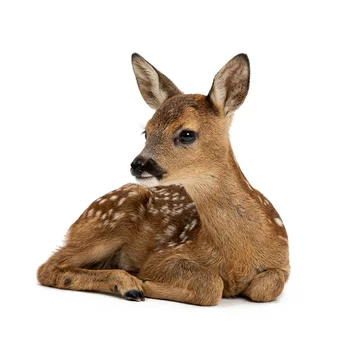
- Fawns and leverets: lying still and alone is how they hide. Mum visits a few times a day.
- Seal pups: mothers hunt and return. Keep 100m back.
- Tawny owl “branchers”: fluffy owlets climbing about in trees.
- Rabbit kits in a nest: the doe visits only at dawn and dusk.
Step in if…
- Injured, bleeding, or caught by a cat or dog.
- Cold, wet, covered in flies, or very weak.
- Calling continuously for hours with no sign of a parent.
- Beside a dead parent, or in immediate danger (road, predator).
- Unfeathered or unfurred and out of the nest.
Step two
First aid, step by step
What to do in the first ten minutes, in order. If anything here feels unsafe, stop, step back and phone a rescue for advice instead.
- 01
Stop and look
Is it injured? Is it in danger right now? If not, step back and watch from a distance — ideally from indoors or behind cover.
- 02
Give the parents time
Parents will not approach while you are close. Give them one to two hours (less for baby birds in cold, wet weather).
- 03
Move it only a little
A fledgling on a path can go in a nearby bush. A baby squirrel can go in a box at the base of its tree. Keep pets in.
- 04
Ring for advice
If you are unsure, phone a rescue and describe it. A photo lets them tell you if it needs help at all.
Important
What never to do
- Do not try to feed a baby animal. Milk, bread and water kill more babies than abandonment does.
- Do not pick up a fawn or leveret that is lying quietly.
- Do not take seal pups or fox cubs “to safety” because no parent is visible.
Food and water
Should I give it food or water?
None. Baby animals need species-specific formula and feeding schedules that only rehabilitators can provide.
Seasonal guide
Through the year
When rescues see the most casualties — and what is driving it.
Busiest in April, May, June and July.
- January: Quiet
- February: Some
- March: Busy
- April: Peak
- May: Peak
- June: Peak
- July: Peak
- August: Busy
- September: Busy
- October: Busy
- November: Busy
- December: Some
- Mar – MayFox cubs, badger cubs, squirrels, rabbits, leverets.
- May – JulFledglings, ducklings, fawns, owlets, bat pups.
- Sep – NovGrey seal pups, autumn hoglets.
Background
Good to know
Birds and scent
Birds have a poor sense of smell. Putting a chick back in its nest will not cause rejection.
Hiding in plain sight
Fawns and leverets are almost scentless when young and lie motionless to hide from predators.
Why it matters
Every healthy baby taken in uses up a place a genuine casualty needed — and its chances in care are lower than with its parents.
Prevention
Help them where you live
- Keep cats in at dawn and dusk during spring and summer.
- Check long grass before mowing or strimming.
- Keep dogs on leads in fields and woods from May to July.
The law. Taking a healthy wild animal from its parents is not illegal for most species, but for protected species (such as bats and deer) it can be — and it is almost always worse for the animal.
FAQ
Questions people ask
I already took it home. What now?
How long is too long to wait?
Ready to call?
Find a rescue near you
Ranked by who has confirmed space, then distance. Free, no sign-up.
General first-aid guidance compiled from UK rescue organisations, not veterinary advice. Where this and a vet disagree, the vet is right.