Bird · Waterfowl, gulls & herons
Swans, ducks, gulls and seabirds: rescue guide
The first 60 seconds
- Leave it if
- A duckling or cygnet with its mother nearby. Watch from a distance for 30–60 minutes before deciding it is alone.
- Help now if
- Fishing line or hooks anywhere on the bird. It will not resolve on its own.
Do this
- Assess from a distance
- Swans and geese
- Gulls, herons and divers
Never: if several wild birds are dead or visibly sick in one place, do not touch any of them. Report it to Defra on 03459 33 55 77 (Northern Ireland: DAERA 0300 200 7840).
Fishing line, hooks, oil and avian flu are the big threats to water birds. These are large, strong birds — here is how to help safely, and when not to touch at all.
Rescues across the UK take swans, ducks & seabirds
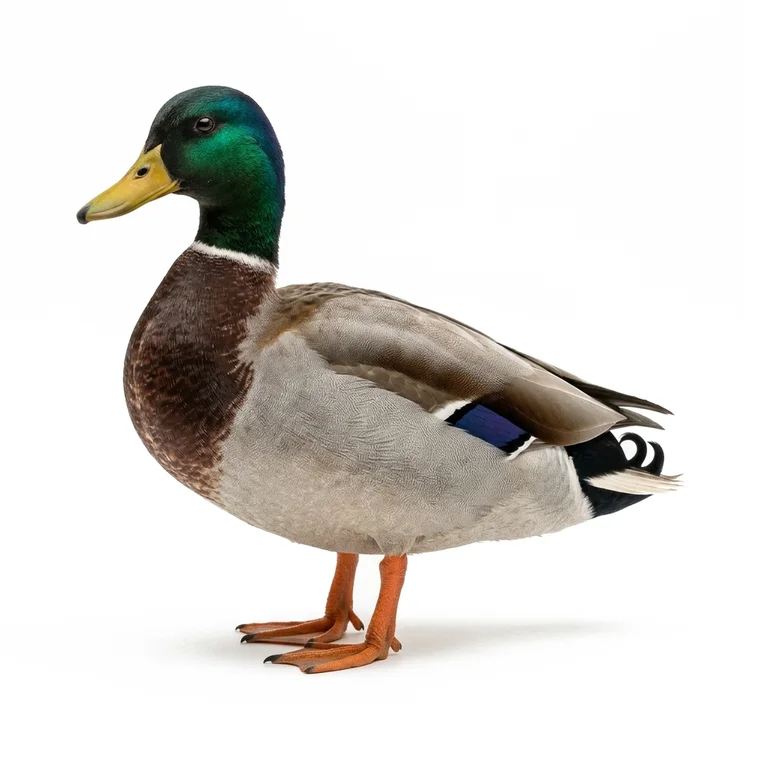
- Handle?
- With care — big & strong
- Busiest months
- Apr – Aug
- Top casualty
- Fishing line & hooks
- Bird flu line
- 03459 33 55 77
Jump to a section
The one thing to remember
Swans and geese need a coat over the head; gulls and herons go for your eyes.
Step one
Does it need help?
Look before you touch. Intervening when an animal is fine is one of the most common mistakes — and it can cost the animal its life.
Leave it be if…
- A duckling or cygnet with its mother nearby. Watch from a distance for 30–60 minutes before deciding it is alone.
- A mallard nesting in a garden, far from water. Ducks often do this and lead the ducklings to water after hatching.
- Gull chicks on rooftops and pavements — the parents are close by and will defend them loudly.
Step in if…
- Fishing line or hooks anywhere on the bird. It will not resolve on its own.
- Oiled feathers, drooping wings or unable to stand.
- A limp neck or a head it cannot hold up — often botulism, and urgent.
- A swan grounded on a road or a field away from water (they need a long runway to take off).
Step two
First aid, step by step
What to do in the first ten minutes, in order. If anything here feels unsafe, stop, step back and phone a rescue for advice instead.
- 01
Assess from a distance
Is anyone else dead or sick in the same place? If so, stop — do not touch any of them, and ring Defra (see below).
- 02
Swans and geese
Approach from behind, put a large coat or sheet over the head, and tuck the wings firmly against the body. Carry it under one arm like a rugby ball, supporting the chest.
- 03
Gulls, herons and divers
Wear eye protection. Keep the beak pointed away from your face — they strike at eyes by reflex, not aggression.
- 04
Ducks and smaller birds
A towel over the bird, then into a ventilated box. Keep it dry and warm.
- 05
Leave line and hooks in place
Do not pull on a fishing line or hook — it can tear internal tissue. Cut loose trailing line only, and tell the rescue.
Important
What never to do
- If several wild birds are dead or visibly sick in one place, do not touch any of them. Report it to Defra on 03459 33 55 77 (Northern Ireland: DAERA 0300 200 7840).
- Do not put an oiled bird in water or try to wash it. Oil removal is specialist work.
- Do not pull out a swallowed hook.
Food and water
Should I give it food or water?
Not while it is injured. In general, bread is poor food for ducks and swans — oats, peas, sweetcorn and lettuce are much better.
Seasonal guide
Through the year
When rescues see the most swans, ducks & seabirds — and what is driving it.
Busiest in May, June and July.
- January: Some
- February: Some
- March: Some
- April: Busy
- May: Peak
- June: Peak
- July: Peak
- August: Busy
- September: Some
- October: Some
- November: Some
- December: Some
- May – JulDucklings, cygnets and gull chicks.
- SummerBotulism in warm, still water.
- Year-roundFishing tackle injuries, worst in the coarse fishing season.
Background
Water facts
Swans are not that dangerous
A hissing swan is mostly bluff. Their wings can hurt, but a firm, calm approach from behind works.
Herons aim for the eyes
A heron’s strike is fast and precise. Always wear glasses or goggles near one.
Bird flu
Avian influenza has hit UK seabirds hard since 2021. Reporting dead birds helps track it.
Prevention
Help them where you live
- Pick up discarded fishing line and hooks when you see them — and bin them, cut up.
- Feed ducks and swans peas, oats or sweetcorn instead of bread.
- Report swans in trouble promptly — they cannot take off from small spaces.
The law. All wild birds are protected under the Wildlife and Countryside Act 1981. Mute swans also have a long royal tradition, but practically the same rules apply as for other birds.
FAQ
Questions people ask
A swan is sitting on the road and won’t move.
A duck has nested in my enclosed garden.
Ready to call?
Find a water bird rescue near you
Ranked by who has confirmed space, then distance. Free, no sign-up.
General first-aid guidance compiled from UK rescue organisations, not veterinary advice. Where this and a vet disagree, the vet is right.